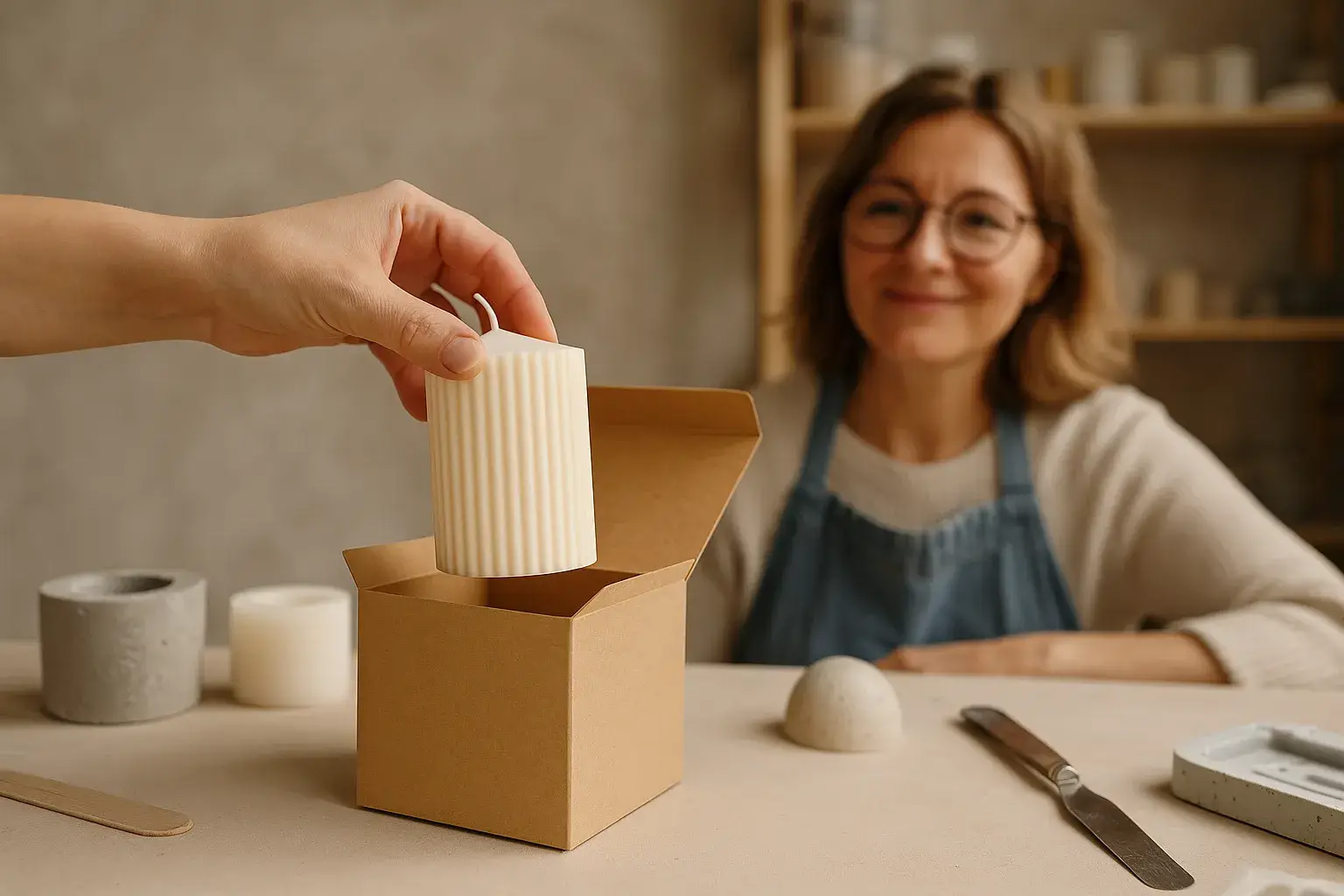
Discover Practical Making in Yaroslavl: Cast, Mold, and Pour
Hands-on learning in concrete and gypsum casting, silicone mold making, and candle crafting combines tactile skills, design sense, and the satisfaction of creating real objects. In Yaroslavl, these crafts are ideal for hobbyists, small-business makers, art students, and anyone who enjoys learning by doing.
Why these crafts are great to learn
— *Low barrier to entry*: basic projects require inexpensive tools and materials.
— *Fast results*: you can go from idea to finished object in a single workshop.
— *Versatile outcomes*: home decor, sculpture, jewelry molds, prototypes, and small-batch products.
— *Commercial potential*: well-made items sell at local markets, online, and in gift shops.
— *Creative community building*: perfect for group classes, team-building, and maker meetups.
Typical workshop formats (what to expect)
— Duration: 2–4 hours for single-project sessions; 6–12 weeks for multi-skill courses.
— Group size: 6–12 people for the best instructor-to-student attention.
— Levels: beginner → intermediate → advanced.
— Take-home: finished pieces or cured molds and poured items to collect later.
— Safety briefing: mandatory overview of PPE, ventilation, and waste disposal.
Course modules and starter projects
Concrete & Gypsum Casting
— Topics covered:
— Mixing ratios, additives, and curing times (concrete vs. gypsum).
— Surface finishing: sanding, polishing, painting, and patinas.
— Reinforcement basics (mesh, fibers) and small-form casting tricks.
— Beginner projects:
— Concrete coasters, candle holders, small planters.
— Gypsum tiny sculptures and relief tiles.
— Advanced work:
— Hollow casting, embedded objects, color pigments, polished concrete jewelry.
— Safety:
— Use gloves and masks when mixing powders; protect skin from wet cement (can irritate).
Silicone Mold Making
— Topics covered:
— Types of silicone (tin vs. platinum cure) and release agents.
— One-part vs. two-part molds, brush-on and pourable silicones.
— Mold box construction, venting, and degassing basics.
— Beginner projects:
— Simple one-piece molds for soaps, candles, or small concrete objects.
— Copying a small toy or ornament.
— Advanced work:
— Multi-part molds, keys and registration, mold maintenance.
— Safety:
— Work in a ventilated area; follow manufacturer instructions for curing.
Candle Crafting
— Topics covered:
— Wax types (paraffin, soy, beeswax), wicks, fragrances, and dyes.
— Container vs. pillar vs. molded candles.
— Safety: melt points, thermometer use, and fire prevention.
— Beginner projects:
— Layered container candles, molded votives, simple scented candles.
— Advanced work:
— Embedded objects, sculptural candles, custom wick selection.
— Safety:
— Never leave molten wax unattended; keep a fire extinguisher nearby.
Materials & equipment (starter list with approximate costs)
— Basic PPE: nitrile gloves, safety goggles, dust mask — ~500–1,500 ₽.
— Mixing bowls, silicone spatulas, measuring cups — ~500–2,000 ₽.
— Silicone mold kit (small, two-part) — ~1,500–5,000 ₽ depending on volume and type.
— Gypsum (plaster) per 25 kg bag — ~300–800 ₽.
— Small bag cement / special concrete mixes for crafts — ~300–1,000 ₽.
— Candle wax (1–5 kg), wicks, dyes, fragrance oils — ~1,000–3,000 ₽ to start.
— Molds (silicone, plastic, metal) — variable; DIY options are inexpensive.
Prices are approximate; source materials from local hardware stores, art supply shops, and online marketplaces like Ozon, Wildberries, or Yandex.Market.
Where to learn and how to find workshops in Yaroslavl
— Check local cultural centers, art schools, and community colleges for evening courses.
— Search maker communities, hobby clubs, and social media (VK, Instagram) for one-off workshops.
— Look for pop-up classes at craft fairs, museums, or cultural events.
— Consider private tutors or small studios offering group sessions — many will host beginner-friendly classes and provide take-home kits.
Sample 8–10 week curriculum (combined course)
— Week 1: Introduction, safety, basic tool use.
— Week 2: Gypsum basics & first casting (coaster or relief tile).
— Week 3: Concrete mixes and a small planter build.
— Week 4: Intro to silicone types and simple mold for gypsum piece.
— Week 5: Mold-making practice (one-part brush-on mold).
— Week 6: Candle basics and first container candle.
— Week 7: Using molds for candles and concrete (embedded pieces).
— Week 8: Finishing techniques, surface treatments, painting and polishing.
— Optional Weeks 9–10: Small business basics, product photography, and market-ready packaging.
Selling and showing your work locally
— Local options: craft markets, cultural festivals, weekend markets, student fairs.
— Online platforms: social media (Instagram, VK), marketplaces, and local seller groups.
— Presentation matters: good photos, simple labels (materials used, burn time for candles), and clear pricing.