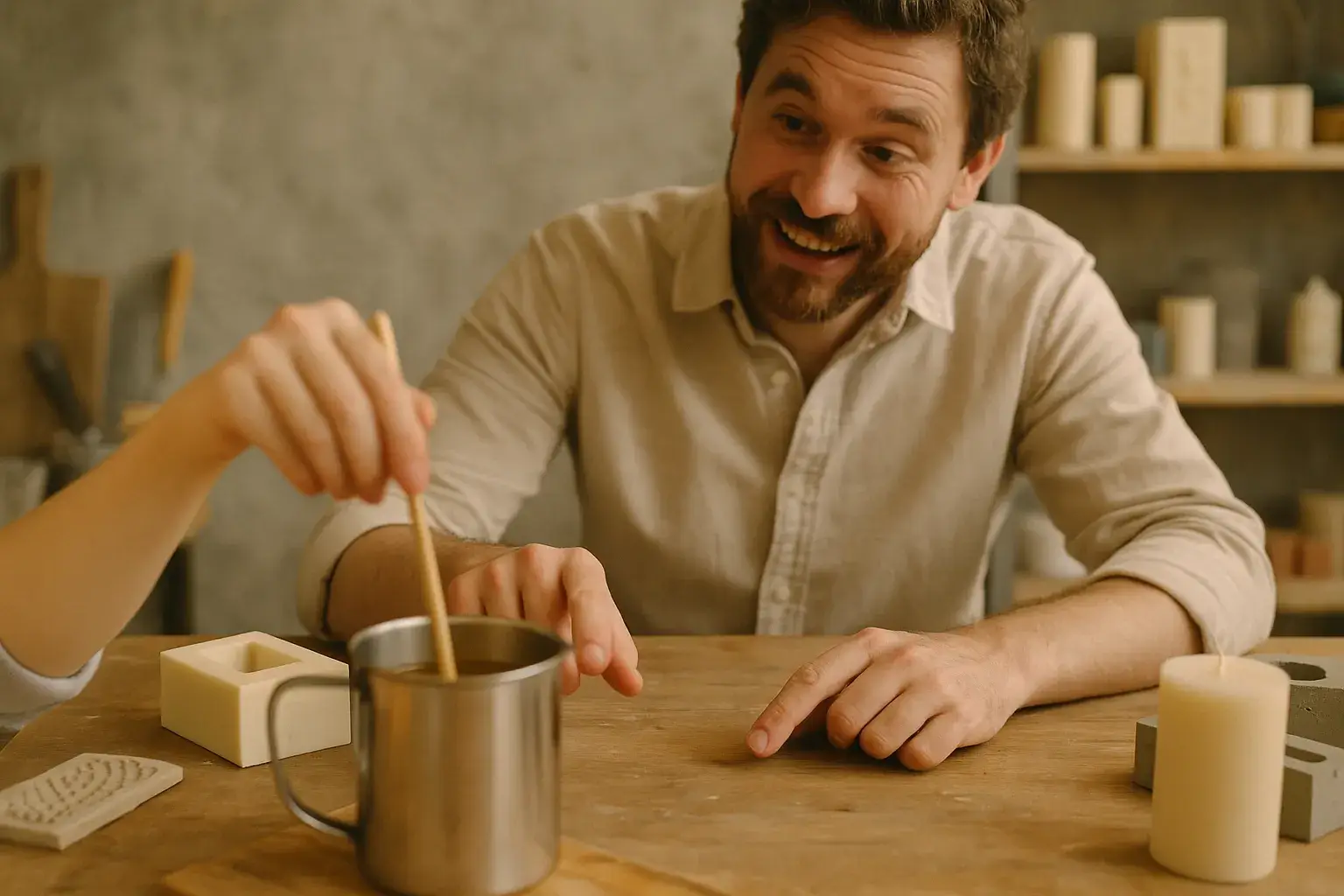
Discover Hands-On Learning in Yaroslavl
If you love making tactile, durable objects and want to turn ideas into beautiful, usable pieces, hands-on courses in concrete and gypsum casting, silicone mold making, and candle crafting are perfect. Yaroslavl’s creative community increasingly supports practical workshops and small studios where you can learn by doing — ideal for hobbyists, designers, and small-business makers.
Why learn these crafts?
— *Fast results, big satisfaction*: You’ll produce finished objects in a few hours (candles, small casts) or days (concrete pieces with finishing).
— *Low barrier to entry*: Basic tools and materials are inexpensive; starter projects are approachable.
— *Creative and commercial potential*: Home decor, candles, jewelry, and garden pieces sell well at markets and online.
— *Skills transfer*: Mold-making and casting techniques apply to ceramics, resin, plaster work, and sculpture.
Where to look in Yaroslavl
Search for:
— Creative studios and makerspaces
— Art and community centers (even university continuing-education programs)
— Local craft stores offering short masterclasses
— Pop-up workshops at cultural institutions and seasonal markets
— Social networks and marketplaces (VK groups, Instagram, Ozon/Wildberries shops offering supplies or classes)
Pro tip: look up hashtags like #Ярославльмастерская or local community event listings and contact venues to ask about upcoming classes.
Typical workshops and course formats
— Single-session masterclass (3–4 hours): make a candle, silicone mold, or small gypsum/concrete item to take home.
— Weekend intensive: cover mold making + casting basics and finishing.
— Multi-week course (4–8 sessions): deeper skill development — complex molds, larger concrete pieces, advanced finishing, product design and small-batch production.
Example short workshop schedule (one day, 4 hours):
— 00:00–00:20 — intro & safety, materials overview
— 00:20–01:00 — silicone mold demo (making a simple two-part or block mold)
— 01:00–02:00 — prepare and pour gypsum or concrete casts
— 02:00–02:30 — candle-making demonstration and pour (small votives)
— 02:30–03:30 — finishing basics (demolding, sanding, sealing, coloring)
— 03:30–04:00 — Q&A, photos, tips for further practice
What you’ll learn
— Choosing materials (plaster vs. cement; RTV silicones; wax types)
— Mold-making techniques: block molds, two-part molds, brush-on silicone, mother molds
— Mixing, pouring, and de-airing casts (vibration, tapping)
— Demolding timing and gentle release techniques
— Finishing: sanding, filling, patinas, painting, sealing concrete and gypsum
— Candle basics: wick selection, melt temperatures, scent dosing, coloring
— Practical tips for repeatable results and small-run production
Materials & tools checklist (starter)
— Cement (портландцемент ПЦ-400 or similar) and fine sand or concrete mixes designed for casting
— Gypsum (гипс строительный or гипс-лепной)
— RTV silicone for mold making (liquid silicone for casting, with catalyst)
— Mold release agent (выталкиватель/разделитель)
— Mixing buckets, spatulas, measuring scales, rubber gloves
— Protective equipment: respirator for dry powders, safety glasses, apron
— Candle wax (paraffin, soy wax), stearin (optional), fragrance oils, dye
— Wicks (appropriate sizes), thermometer, double boiler or electric melting pot
— Sandpaper (various grits), files, sealers (concrete sealer, acrylic varnish), paints
— Small vibrator or tapping technique for removing air bubbles
Local sourcing: you can find supplies at Russian online marketplaces (Ozon, Wildberries), craft shops, building-supply stores, and specialized silicone/candle suppliers via VK/Instagram craft shops.
Safety & practical tips for Yaroslavl conditions
— Temperature matters: concrete and gypsum cure slower in cold. Aim for 18–25°C indoors for consistent cures. In winter, keep workshop spaces heated.
— Work with powders (cement, gypsum) in a well-ventilated area; wear a dust mask or respirator and gloves.
— RTV silicone has a curing catalyst; measure precisely and avoid skin contact.
— Candle fragrances are flammable at high temperatures — control pour temps and never leave melting wax unattended.
— Allow full cure times before finishing: gypsum typically 24–48 hours depending on size; concrete can take several days to reach handleable hardness and weeks to reach full strength.
Finishing & selling your pieces
— Concrete: sand edges, apply slurry or sealer, use pigments or oxides, and try patinas for aged looks.
— Gypsum: sand, prime, paint, or gild; plaster takes paint well for decorative items.
— Candles: test wick sizes, burn times, and scent throw. Package attractively and label materials for customers.
Pricing guidance: small workshops in regional cities often range from ~1,000–4,000 RUB for single sessions; multi-week courses might be ~6,000–15,000 RUB. Handmade product pricing should account for materials, labor, overhead, and local market demand.
Project ideas to try in a workshop
— Concrete coasters, planters, and candle holders
— Decorative gypsum plaques, reliefs, and ornaments
— Silicone molds from found objects (leaves, figurines) for repeat casting
— Layered or embedded candles (flowers, herbs, wood)
— Small series production for local markets or online shops
How to get started
— Book a short, hands-on class to test each discipline before investing in tools.
— Buy a small starter kit or order a few materials online to practice at home.
— Join local maker communities to trade tips and find used equipment.
— If